
He Sowed It Anyway
Matthew 13:1-9,18-23

Jesus tells this one, and then he does the rare thing. He explains it.1 And the whole explanation turns on one word. The good soil is the one who hears the word and understands it. Not just hears. Understands. So this parable wants something from you. It wants the hearing to go all the way down and hold. That is a real call, and there is no honest way to soften it.
But notice how the good soil got good. It did not clear itself. No field has ever reached down and pulled its own thorns. Whatever is growing in you that can receive a word and keep it, you did not put there. God did. You were not even asking. Even the ears to hear are on loan. So when this parable asks you to hear, it is not handing you a test. It is telling you what has already been started in you.
Which is exactly why you can look at your own life without flinching. You are not auditing whether you qualify. You are checking on something already planted.
And you should look, because Jesus is blunt about what happens to the word once it lands. It gets taken. It gets scorched. It gets choked. He never says the seed was weak. Same seed every time. Good seed. What fails is the ground. The thorns come up and strangle it. It happens without a decision. Nobody wakes up and chooses to smother the word. You just get busy.
For most of us now it is not one dramatic sin. It is the crowding. You reach for the phone in the small silences, before the quiet can turn into anything. The same worry runs on a loop, the one about your kids, or your health, or the thing you said, and it crowds the word out. You keep telling yourself a little more would settle you, and it never has. None of it is evil, and that is the danger. It is just enough, all day, to keep the seed from the light.
And some of it we go back to on purpose. We taste something better, then turn straight back to the thing that has never once fed us, the way a dog goes back to its vomit. That is Tuesday, and it is most of us.
So look at the field honestly. Name what is choking the word in you. Not to measure up. You already know how this ends. Look because there is a life with real fruit on it, and somewhere under the weeds you would rather have that than keep tending thorns that give you nothing back.
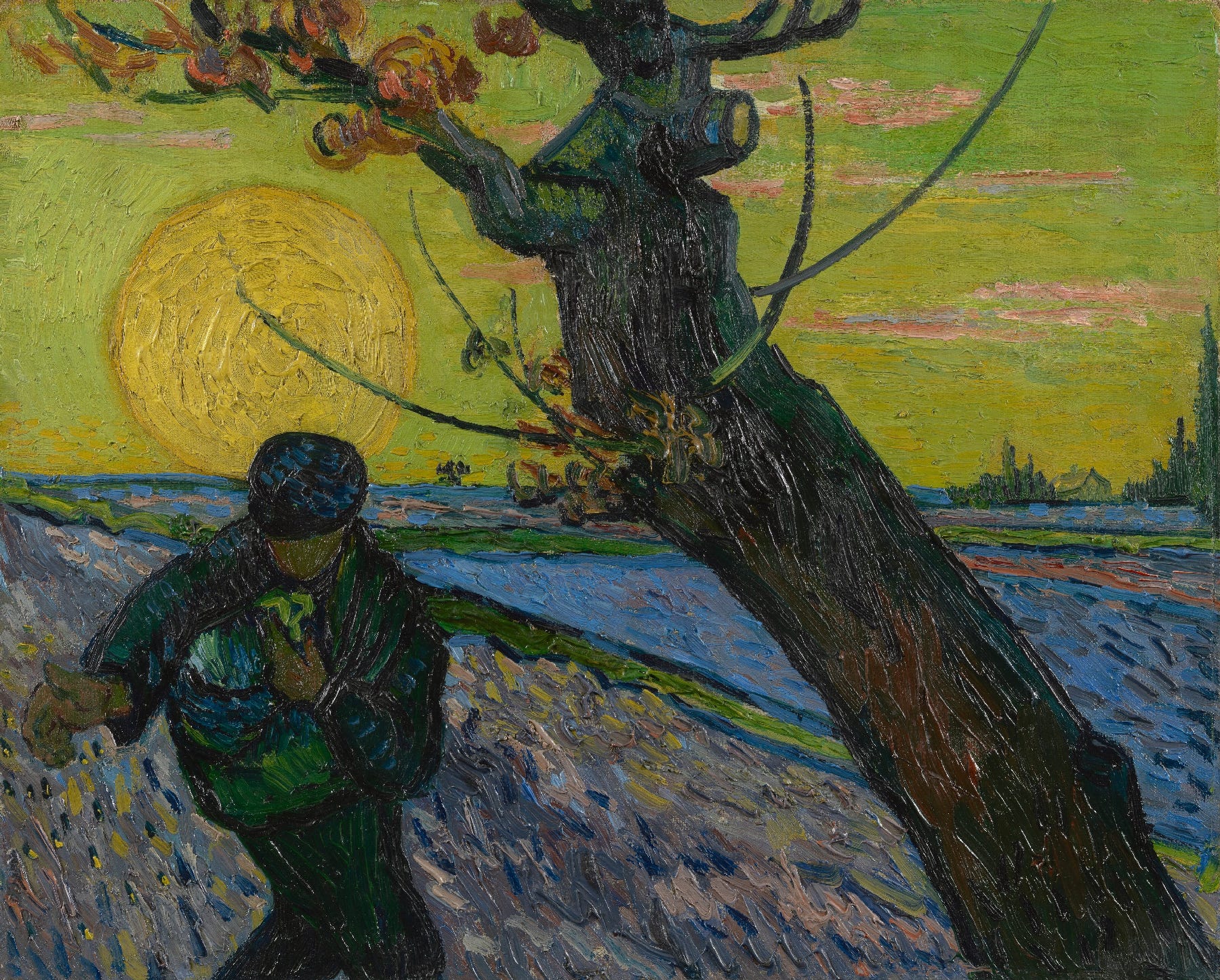
While you are still pulling thorns, the sower is already out in your field. He walks it while it is still a wreck. He always has. He throws seed on the path, the rock, the choked-out corners, the whole ruined acre, on you, long before you were worth the effort. He is not careful with it. He is scandalous with it. And what comes up out of that failing ground is staggering. A hundredfold. Sixty. Thirty. In a world where a strong year gave you four. Not a good harvest. An impossible one.
That is why you can stare straight at your worst ground and not despair. The harvest was never resting on your soil coming clean. It was resting on him. On seed you did not earn, thrown by a hand that would not quit, into a field that by every reasonable measure should have grown nothing.
So hear it, and let it root this time. The word outlasts the ground it fell on. The one who threw the seed into that mess is the one who brings the harvest up. Same hand.
He knew what your field was.
These midweek devotionals aren’t sermons. They’re meant to complement the Sunday homily. I’ll share the sermon below after it’s preached:
A note on the reading. The lectionary omits verses 10 to 17, so it can look like Jesus is explaining the parable to the crowds. He is not. Those verses show him turning aside to explain it to the disciples alone, which is worth knowing, because in Matthew understanding is something given, not achieved.