
Friend of Sinners
Matthew 11:16-19, 25-30

Watch the children who won’t play.
That’s the picture Jesus reaches for when he describes the people around him. Children sitting in the market, calling out to the other children, and nobody comes. We played the flute for you, and you did not dance. We sang a dirge, and you did not mourn. Happy song, nothing. Sad song, nothing. A whole generation sitting there with its arms crossed.
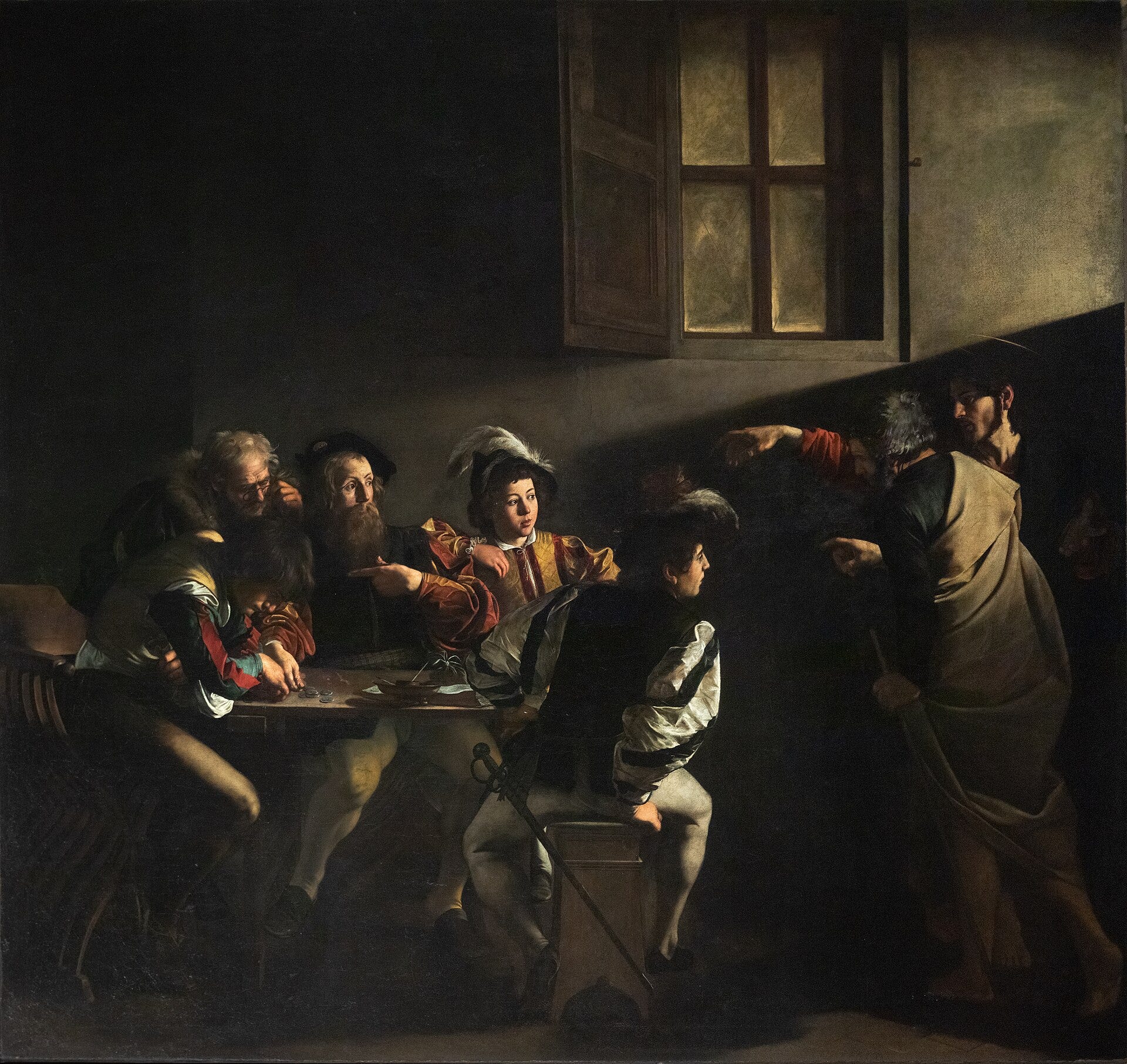
Then he shows you why. John came not eating, not drinking. Lived out in the desert, wore camel hair, stayed away from the table. And they said he had a demon. Then Jesus came eating and drinking, went to the parties, sat down with anybody. And they said, look at him. A glutton and a drunkard, a friend of tax collectors and sinners.
That last one was meant to end the conversation. Look who he eats with. Look who he lets near him. This is not a serious man.
Sit in it for a second, because it’s unfair and they knew it. It was never about the food. John fasts and he’s possessed. Jesus feasts and he’s a drunk. Whatever God sends, the complaint is already written. That’s the thing about this kind of unbelief. It isn’t an argument. It’s a refusal dressed up as an argument.
Nothing was going to reach them. They had decided.
And here is where Jesus says the strangest thing. He looks up and thanks God. Not for getting through to the wise and the clever. For hiding it from them.
I thank you, Father, that you have hidden these things from the wise and the clever, and shown them to little children.
The hiding is not cruelty. The hiding is mercy. The door into this is low, and it was built low on purpose. The ones who get through are the ones with nothing in their hands and nothing to prove. Small enough to stoop. The wise can’t get down that far. The clever won’t.
Wisdom is proved right, Jesus says, by her deeds. By what she actually does. And what she has done here is gather the wrong people. Not the ones who won the argument in the market. The ones who showed up empty. Those are her children.
Then he turns. And before he says the next thing, you should know why he’s allowed to say it. No one knows the Father except the Son. He isn’t describing God from across a distance. He has him. So when he opens his mouth next, it isn’t a pep talk. It’s the Son handing the Father over to anyone tired enough to take him.
Come to me, he says. All of you who are worn out. All of you carrying things too heavy to carry. Come here, and I will give you rest.
There was a religion in his day that did the opposite. It loaded people up. Tied the burdens onto their backs and lifted not one finger to help carry them. You know that religion. Maybe you grew up under it. Maybe you’re still under it now, the version of God that is mostly weight.
That is not this.
Take my yoke, he says. And a yoke is still a yoke. It’s still work. He doesn’t pretend otherwise. But this one is easy, and not because it asks nothing of you. Because he’s under it with you, pulling, and it was cut to fit your shoulders and no one else’s.
Rest for your souls. The thing the whole tired world is looking for, and he hands it to you at the door.
Now go back to what they called him. When they wanted to file him away and go home, when they wanted the conversation over, this is the name they used. A friend of tax collectors and sinners.
They were right about the company. They were wrong about everything else. That’s not the insult. That’s the invitation. He is the friend of sinners. Which means you, with the empty hands and the heavy back and the long list of reasons you don’t belong at the table, he already has a name for you too.
It’s friend.
Come in. The door is low. He’s right inside it.
These midweek devotionals aren’t sermons. They’re meant to complement the Sunday homily. I’ll share the sermon below after it’s preached: